 +92 309 0838597
Deep Cleaning Services in Dubai for Apartments, Villas & Homes
Get a deeper and more detailed clean for your Dubai property. Our service focuses on the areas that regular cleaning often misses. We clean rooms, floors, fixtures, kitchens, bathrooms, cabinets, windows, and other accessible surfaces. The exact work depends on the condition of the property and the agreed cleaning scope.
We deal with common problems such as built-up dust, kitchen grease, bathroom residue, and general dirt. We can also prepare properties for move-in or handover. Every service follows a clear cleaning checklist. We also use suitable cleaning equipment for the agreed work.
Professional Deep Cleaning for Dubai Homes—What Does a Complete Deep Clean Include?
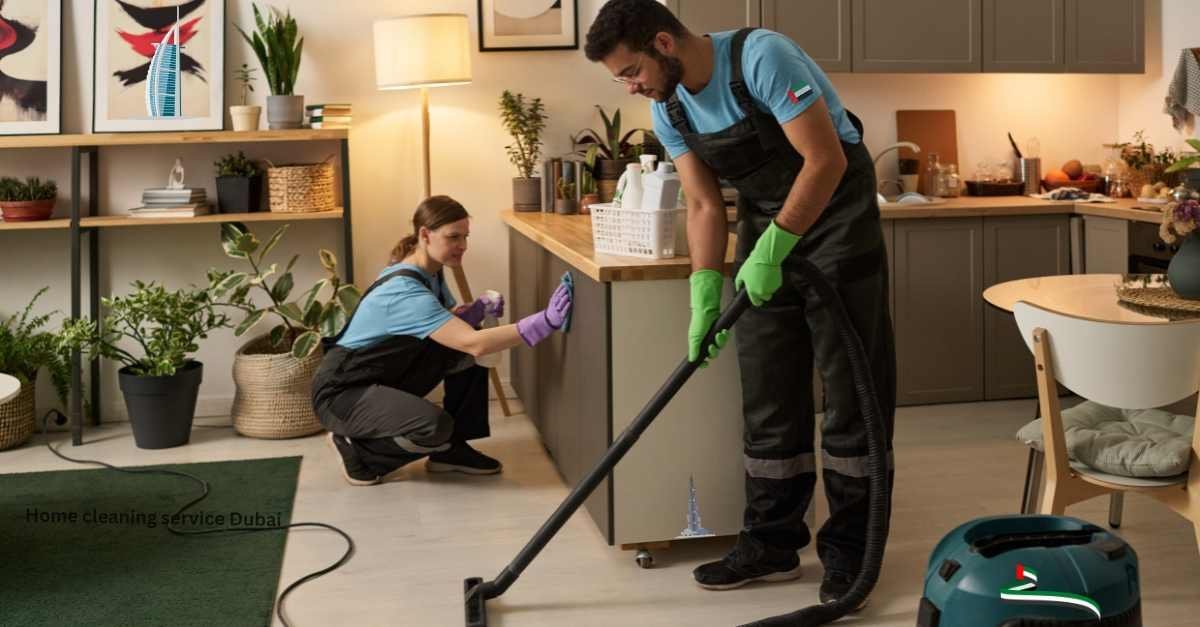
A professional deep clean goes beyond basic dusting, wiping, vacuuming, and mopping. Regular home cleaning mainly handles recurring tasks. Deep cleaning looks at areas where dirt, grime, and buildup have collected over time.
A complete deep cleaning service can cover living rooms, bedrooms, kitchens, bathrooms, floors, doors, frames, cabinets, windows, balconies, and selected furniture or upholstery. The exact items depend on the agreed scope.
A detailed checklist makes the process easier to understand. You can see what will be cleaned before the service starts.
Deep Cleaning vs Regular Home Cleaning
Regular home cleaning is mainly used to maintain a property that is already clean. It usually focuses on visible surfaces and regular household tasks.
These tasks can include dusting, wiping, vacuuming, mopping, and general tidying.
Deep cleaning takes a more detailed approach. It focuses on areas that are often missed during regular cleaning.
These areas can include hard-to-reach surfaces, built-up grime, bathroom residue, kitchen grease, cabinet interiors, fixtures, and other neglected areas.
For example, a regular clean may mop the kitchen floor and wipe the countertop. A deep clean can go further. It can include cabinet surfaces, shelves, drawers, switches, appliance exteriors, and areas where grease and dust have collected.
The exact scope should always be confirmed before the cleaners arrive.
Some specialist services may need separate equipment or extra work. These can include AC duct cleaning, upholstery extraction, exterior glass cleaning, and heavy stain treatment.
When Your Dubai Home Needs a Deep Clean
A deep clean can be useful when regular cleaning is no longer enough. This usually happens when dirt and buildup have started to collect in different parts of the property.
Common situations include:
- ✓Before moving into a new apartment or villa
- ✓Before returning a rental property to a landlord
- ✓After moving furniture
- ✓After completing a long tenancy
- ✓After renovation or construction work
- ✓When kitchen grease has built up around appliances and surfaces
- ✓When bathrooms have visible soap residue or mineral buildup
- ✓When dust has collected on doors, frames, shelves, vents, and other overlooked surfaces
- ✓Before or after hosting a major event
- ✓As a detailed seasonal reset for an occupied home
Dubai’s desert climate also makes dust and sand common cleaning concerns. The UAE Government describes the country’s climate as desert. Summers can also be hot and humid. Official UAE climate planning also identifies dust and sand storms as climate-related hazards.
What Our Deep Cleaning Service Is Designed to Achieve
The goal is not just to make the property look clean for a few hours.
A properly planned deep clean should give the property a more complete cleaning result. It should cover visible surfaces and selected areas that regular housekeeping may not reach.
Our approach focuses on:
- ✓Removing built-up dust and surface dirt
- ✓Breaking down everyday grease and grime
- ✓Cleaning bathroom surfaces and fixtures
- ✓Cleaning floors according to their surface type
- ✓Cleaning accessible doors, frames, switches, skirting, shelves, and cabinets
- ✓Reaching overlooked areas where practical
- ✓Refreshing kitchens, bedrooms, and living spaces
- ✓Preparing properties for move-in, move-out, or handover when required
- ✓Using suitable equipment and cleaning products for the agreed scope
Clarity is important here.
A professional cleaning service should explain what is included. It should not depend on vague promises such as “100% spotless” or “everything included.”
Why Dubai Homes Need a Different Approach to Deep Cleaning
Dubai homes can face several cleaning challenges because of the environment and lifestyle.
Dust and sand are important considerations in a desert climate. Humidity can also affect areas where moisture is common.
DEWA publishes water-quality data for Dubai. This includes measurements such as total hardness, calcium hardness, and dissolved solids.
This does not mean every Dubai property will have the same cleaning problems.
The condition of the property matters. So do ventilation, occupancy, cooking habits, location, surface materials, and maintenance history.
All of these factors can change the cleaning requirements.
Desert Dust and Sand Accumulation
Fine dust can settle on many parts of a home. It can collect on floors, shelves, window frames, furniture, doors, wardrobes, and other horizontal surfaces.
Sand can also enter through entrances, balconies, windows, and areas that are used frequently.
Because of this, a deep clean should look beyond the most visible surfaces.
Depending on accessibility and the agreed scope, cleaning may include:
- ✓High and low dust-collecting surfaces
- ✓Shelves and cabinet exteriors
- ✓Door frames and skirting
- ✓Window frames
- ✓Furniture surfaces
- ✓Floor edges and corners
- ✓Accessible areas behind or underneath light furniture
Vacuuming and wiping should follow a logical top-to-bottom order.
This helps prevent loosened dust from settling on surfaces that have already been cleaned.
Hard-Water Scale on Bathrooms, Glass and Fixtures
Water quality and mineral content can affect the appearance of bathroom and kitchen fixtures over time.
DEWA publishes measurements for several water-quality parameters. These include total hardness, calcium hardness, and total dissolved solids.
When water evaporates from a surface, mineral residue can remain behind.
This residue can become visible on areas such as:
- ✓Shower glass
- ✓Taps and faucets
- ✓Bathroom fixtures
- ✓Sinks
- ✓Tiles
- ✓Chrome surfaces
Deep cleaning can address suitable surface buildup. The cleaning method and product should match the material.
However, not every mark can be completely removed.
Several factors can affect the final result. These include the age of the deposit, the condition of the surface, previous cleaning products, scratches, etching, and the type of material.
Kitchen Grease and Built-Up Cooking Residue
Kitchen surfaces can develop layers of grease and food residue.
This usually happens around areas that are used often.
A detailed kitchen deep clean can include:
- ✓Countertops
- ✓Cabinet surfaces
- ✓Shelves and drawers
- ✓Appliance exteriors
- ✓Switches
- ✓Splash areas
- ✓Accessible areas around appliances
- ✓Floors
- ✓Sinks and surrounding surfaces
Heavy grease may need more dwell time. It may also need a suitable degreasing product or specialist treatment.
Cleaning methods should always match the surface.
Strong products can damage some finishes. This is why the right product and technique are important.
AC-Driven Dust and Accessible Vent Areas
Air conditioning is a normal part of daily life in Dubai.
Dust can also collect around accessible AC vents, grilles, and nearby surfaces.
A standard home deep clean can address accessible external vent and grille surfaces when they are included in the scope.
AC duct cleaning is different from surface cleaning.
Internal ductwork needs specialist equipment. It should normally be treated as a separate service when required.
This difference is important.
Wiping an accessible vent grille is not the same as cleaning an entire AC duct system.
Balcony, Window-Frame and Entrance Dust
Balconies and entrances can collect dust and sand because they are exposed to outdoor conditions.
A detailed service can include accessible balcony floors, entrance areas, window frames, and internal glass surfaces when these items are included in the agreed scope.
External windows and high-level glass may need specialist equipment.
This can include telescopic tools or other access solutions.
Difficult-to-access areas may also require special procedures.
The cleaning scope should clearly state which window and balcony areas are included before the work begins.
Humidity, Mould-Prone Areas and Moisture Buildup
The UAE has a desert climate. Summer conditions can also be hot and humid.
Moisture can therefore become an important consideration in bathrooms, kitchens, cabinets, silicone joints, and other areas where water or condensation is present.
Deep cleaning can address visible surface buildup in suitable areas.
These areas can include:
- ✓Bathroom tiles
- ✓Shower areas
- ✓Silicone seals
- ✓Sinks
- ✓Cabinet surfaces
- ✓Moisture-prone corners
Visible mould should not automatically be treated as a normal cleaning problem.
The source of the moisture should also be considered.
Extensive mould contamination may need specialist assessment. Persistent moisture may also require attention to the underlying cause.
Repeated surface cleaning alone may not solve the problem.
Post-Renovation and Construction Residue
Renovation work can create a different type of cleaning problem.
Fine construction dust can spread across the property. Plaster residue, adhesive marks, paint splashes, and installation debris may also remain.
These materials can require more careful treatment than normal household dust.
A post-construction clean should consider:
- ✓Newly installed floors
- ✓Cabinets
- ✓Glass
- ✓Doors
- ✓Fixtures
- ✓Surfaces affected by fine dust
- ✓Accessible construction residue
Cleaning products and tools should match the material being cleaned.
New surfaces can be damaged by unsuitable chemicals. Excessive abrasion can also cause damage.
Incorrect cleaning techniques can create problems as well.
What Our Dubai Deep Cleaning Service Includes
A complete deep clean should be organised around the property.
It should not simply be based on a generic list of cleaning products.
Our residential cleaning scope can be arranged room by room. This helps customers understand what is being cleaned.
It also makes the service easier to inspect after completion.
The exact scope can change based on several factors.
These include property size, condition, occupancy, surface materials, accessibility, and selected add-on services.
Living Room Deep Cleaning
The living room is one of the most commonly used areas in a home.
Because of this, dust and surface dirt can collect across many different surfaces.
A living room deep clean can include:
- ✓Vacuuming and mopping floors
- ✓Dusting accessible surfaces
- ✓Cleaning tables and chairs
- ✓Wiping accessible AC vents and grilles
- ✓Cleaning internal windows
- ✓Cleaning internal doors
- ✓Wiping suitable furniture surfaces
- ✓Cleaning accessible corners and overlooked areas
Light furniture may be moved when it is practical and safe.
Heavy furniture should not automatically be considered part of the service.
It should only be moved when the service specifically states that this is included.
The aim is to follow a complete cleaning sequence.
It is not simply about making the main floor area look clean.
Bedroom Deep Cleaning
Bedrooms can collect dust on many surfaces.
This includes floors, furniture, doors, frames, shelves, and other areas.
A bedroom deep clean can include:
- ✓Cleaning doors and frames
- ✓Vacuuming floors
- ✓Mopping suitable hard floors
- ✓Wiping tables and furniture surfaces
- ✓Dusting accessible surfaces
- ✓Cleaning accessible corners and edges
- ✓Cleaning internal windows where included
Wardrobes, drawers, mattresses, curtains, carpets, and upholstered furniture may need additional cleaning methods.
The required method depends on the material and selected service.
This distinction matters.
Surface cleaning and specialist fabric cleaning are not the same task.
Kitchen Deep Cleaning
The kitchen often needs more detailed cleaning.
Cooking creates grease, food residue, and buildup around frequently used surfaces.
A kitchen deep clean can include:
- ✓Cleaning countertops
- ✓Cleaning cabinet surfaces
- ✓Wiping shelves and drawers
- ✓Cleaning appliance exteriors
- ✓Cleaning switches
- ✓Cleaning sinks and surrounding areas
- ✓Removing suitable grease and grime
- ✓Vacuuming and mopping the floor
Deeper appliance cleaning can be handled as an additional task when included.
For example, cleaning the inside of an oven or refrigerator takes more time than cleaning the outside.
The cleaning method should also match the material.
Stone, stainless steel, painted surfaces, glass, laminate, and other finishes may require different products or techniques.
Bathroom and Tile Deep Cleaning
Bathrooms need detailed cleaning because many surfaces are exposed to water, soap residue, and daily use.
A bathroom deep clean can include:
- ✓Scrubbing floors
- ✓Cleaning toilet bowls
- ✓Cleaning bathtubs
- ✓Cleaning shower areas
- ✓Cleaning shower glass
- ✓Cleaning mirrors
- ✓Cleaning tiles
- ✓Cleaning sinks and fixtures
- ✓Addressing suitable soap residue and mineral buildup
The final result depends on the condition of the surface.
Deep cleaning can remove removable buildup.
However, it cannot guarantee the restoration of permanently etched glass, damaged grout, scratched fixtures, or deeply embedded stains.
This transparent approach is important.
A professional cleaning service should distinguish between removable dirt and permanent surface damage.
Floor and Hard-Surface Cleaning
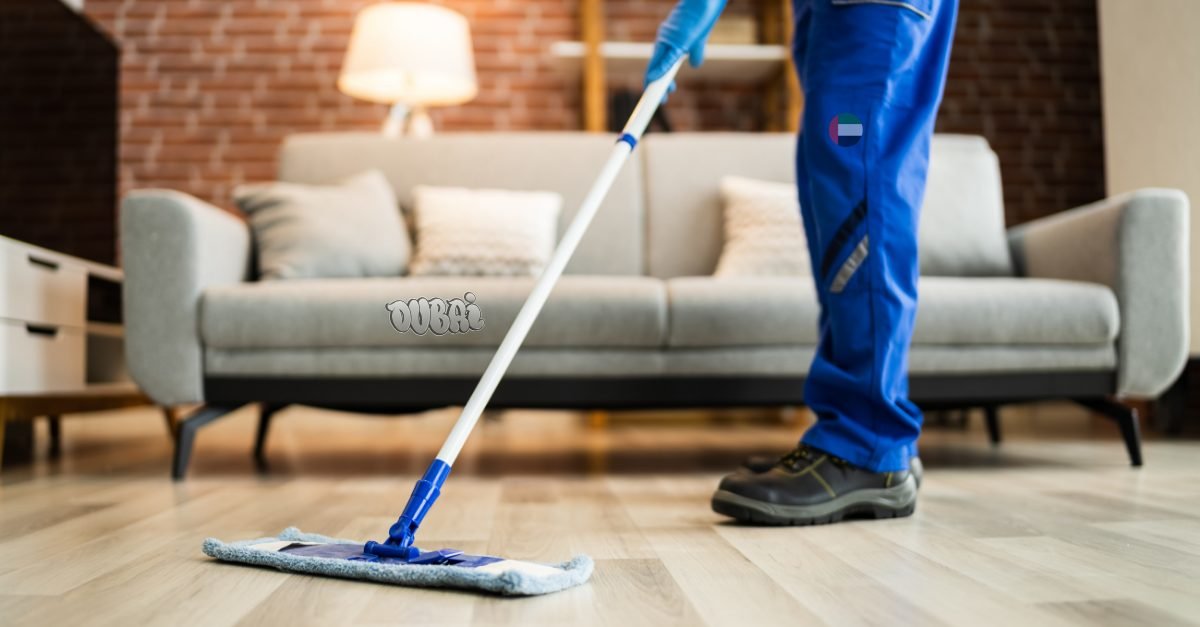
Floors need cleaning methods that match their material and condition.
A deep cleaning service can address suitable:
- ✓Tile floors
- ✓Hard floors
- ✓Stone surfaces
- ✓Laminate surfaces
- ✓Other compatible flooring materials
Routine vacuuming and mopping may be enough for light maintenance.
Deep cleaning may need more detailed attention.
This can include floor edges, corners, accumulated dirt, and surface buildup.
Carpet and upholstery cleaning should be treated separately when specialist equipment is required.
This can include shampoo extraction, steam treatment, or other specialist methods.
Competitor service pages in the supplied research also separate floor, carpet, sofa, upholstery, and AC-related services.
They do not treat all of these tasks as the same type of cleaning.
Doors, Frames, Switches and Skirting
These areas are easy to miss during regular cleaning.
They can collect fingerprints, dust, and everyday grime.
A detailed deep clean can include:
- ✓Internal doors
- ✓Door frames
- ✓Handles
- ✓Light switches
- ✓Skirting boards
- ✓Accessible wall-contact areas
- ✓Edges and corners
These surfaces should be cleaned carefully.
Painted finishes, wood, laminate, metal, and other materials can react differently to moisture and cleaning products.
Cabinets, Shelves and Drawers
Cabinets, shelves, and drawers can collect dust and residue over time.
This is especially common when they are rarely emptied or cleaned.
Depending on the agreed scope, cleaning can include:
- ✓Cabinet exteriors
- ✓Cabinet interiors
- ✓Shelves
- ✓Drawers
- ✓Accessible corners
- ✓Handles
- ✓Lower cabinet areas
For move-in and move-out cleaning, cabinet interiors can be especially important.
They are part of the usable condition of an empty property.
The supplied competitor research also shows that cabinet interiors, drawers, and similar areas are already part of market expectations for move-in and handover cleaning.
A stronger approach is to define these areas clearly.
Customers should not have to guess what “deep cleaning” means.
Internal Windows, Glass and Frames
Internal glass can collect fingerprints, dust, water marks, and everyday residue.
A deep cleaning service can include:
- ✓Internal window glass
- ✓Glass doors
- ✓Window frames
- ✓Accessible tracks
- ✓Internal sills
The final result depends on the condition of the glass.
Water marks, mineral deposits, scratches, etching, and damaged surfaces are different problems.
They may also need different treatments.
High-level or external windows should not automatically be treated as standard interior window cleaning.
They may require specialist equipment and safe access procedures.
Balcony and Accessible Exterior Areas
Balconies can collect outdoor dust, sand, and general debris.
Where included, balcony cleaning can cover:
- ✓Balcony floors
- ✓Accessible corners
- ✓Railings
- ✓Door thresholds
- ✓Surface dust and debris
The service should clearly explain accessibility limits.
High-risk areas may need separate equipment.
External façades, difficult-to-reach glass, and specialist exterior work may also require separate services.
Furniture, Sofas, Carpets and Mattresses
Furniture and soft furnishings need a different approach from hard surfaces.
A general deep clean may include surface vacuuming or wiping when appropriate.
Specialist cleaning can include:
- ✓Sofa and upholstery cleaning
- ✓Carpet cleaning
- ✓Mattress cleaning
- ✓Curtain cleaning
The correct treatment depends on the fabric and material.
It also depends on construction, condition, stain type, and the manufacturer’s care requirements.
Steam cleaning, shampoo extraction, vacuuming, and other methods should only be used when they are suitable for the material.
A professional cleaner should not promise that every stain will disappear.
Permanent discoloration can remain.
Fibre damage, dye transfer, ageing, and previous chemical treatment can also affect the final result.
The supplied competitor research confirms that sofa, carpet, mattress, upholstery, and curtain cleaning are commonly positioned as separate services or add-ons.
Our Room-by-Room Deep Cleaning Checklist
A professional deep cleaning service should follow a structured checklist.
It should not treat every property in exactly the same way.
The cleaning scope can change based on the property’s size, condition, occupancy, surface materials, accessibility, and purpose.
A room-by-room approach also makes the service easier to understand.
It makes the completed work easier to inspect as well.
The main cleaning task can then be connected with the specific surfaces, buildup, and property requirements that matter to the customer.
High-Dust Areas and Hard-to-Reach Surfaces
Dust does not collect only on floors and obvious furniture.
It can also settle on door frames, skirting, shelves, cabinet tops, window frames, corners, and other surfaces that are not cleaned often.
A detailed deep cleaning checklist can include:
- ✓High and low accessible surfaces
- ✓Shelves and cabinet tops
- ✓Door frames and skirting
- ✓Window frames and sills
- ✓Corners and floor edges
- ✓Accessible areas behind or underneath suitable furniture
- ✓Light fixtures and accessible fittings
- ✓AC vent and grille surfaces where included
Dubai’s desert climate makes dust and sand an important consideration for residential cleaning.
The UAE Government describes the country’s climate as desert. It also notes hot and humid summers.
Hard-to-reach does not mean unsafe-to-reach.
High-level glass, external façades, and areas that require specialist access should be assessed separately.
They should not automatically be presented as part of ordinary residential cleaning.
Grease, Grime, Soap Scum and Limescale
Different types of buildup need different cleaning methods.
Kitchen grease commonly develops around cooking areas, appliances, cabinets, splash zones, and other frequently used surfaces.
Bathrooms can develop soap residue and mineral deposits.
These can appear around showers, taps, sinks, tiles, and glass.
A deep cleaning checklist can therefore assess:
- ✓Kitchen grease and cooking residue
- ✓Soap scum
- ✓Mineral deposits
- ✓Bathroom grime
- ✓Sink and fixture buildup
- ✓Grease around suitable appliance surfaces
- ✓Dirt accumulated around edges and corners
Dubai’s official water-quality reporting includes parameters such as total hardness, calcium hardness, and total dissolved solids.
These measurements are relevant when explaining why mineral deposits can become a cleaning concern on suitable surfaces.
The treatment should always match the surface.
Strong chemicals or abrasive tools can damage delicate finishes.
They can also damage stone, coated glass, painted surfaces, or metal fixtures.
Grout, Tile and Sanitary-Fitting Cleaning
Bathrooms need detailed attention.
Several surfaces are exposed to water, soap, and daily use.
Depending on the agreed scope, deep cleaning can address:
- ✓Floor and wall tiles
- ✓Grout lines
- ✓Shower areas
- ✓Bathtubs
- ✓Toilets
- ✓Washbasins
- ✓Faucets and taps
- ✓Shower fixtures
- ✓Mirrors
- ✓Shower glass
- ✓Accessible bathroom corners
The objective is to remove removable dirt and buildup.
The underlying material should not be damaged during the process.
A professional cleaner should also distinguish between removable contamination and permanent damage.
Discoloured grout may not return to its original appearance.
Etched glass may remain damaged.
Damaged sealant, scratched fixtures, and permanently stained surfaces may also need more than cleaning.
Cleaning alone cannot always restore the original condition.
Appliance Surfaces and Kitchen Fixtures
Kitchen appliances and fixtures can collect grease, fingerprints, food residue, dust, and everyday grime.
Depending on the selected scope, cleaning can include:
- ✓Refrigerator exterior
- ✓Oven exterior
- ✓Microwave exterior
- ✓Dishwasher exterior
- ✓Extractor hood exterior
- ✓Countertops
- ✓Sinks
- ✓Taps
- ✓Cabinet handles
- ✓Cabinet surfaces
- ✓Shelves and drawers
Interior appliance cleaning should be clearly identified.
It should either be listed as an included task or shown as an add-on.
Cleaning an oven internally, for example, takes more time.
It also needs a different cleaning process from wiping the oven exterior.
The same principle applies to materials.
Stainless steel, glass, laminate, stone, painted surfaces, and coated finishes should not automatically receive the same treatment.
Final Dusting, Vacuuming, Mopping and Sanitisation
The final stage brings the room together.
This happens after the detailed surface cleaning is complete.
A logical sequence is to remove loosened dust and debris first.
Then suitable surfaces can be vacuumed.
Floors can be cleaned according to their material.
The final visual inspection can then be completed.
The final checklist can include:
- ✓Final dust removal
- ✓Vacuuming
- ✓Edge and corner cleaning
- ✓Mopping suitable hard floors
- ✓Wiping remaining accessible surfaces
- ✓Checking bathrooms and kitchen surfaces
- ✓Removing cleaning residue
- ✓Final room-by-room inspection
When sanitisation or disinfection is specifically requested, the product and method should match the intended use.
Dubai Municipality maintains approved lists and requirements related to professional cleaning, disinfection, and biocides.
This highlights the importance of using suitable products and procedures.
It is better than making broad claims such as “chemical-free” or “100% germ-free.”
Deep Cleaning Services for Every Dubai Property Type
The same cleaning checklist will not work for every property. A studio apartment is different from a large villa. An empty property is also different from an occupied office.
The property type affects the number of rooms, surface area, furniture, fixtures, access, cleaning time, and level of buildup. Because of this, a professional quote should be based on the actual property and agreed cleaning scope. A generic “deep cleaning” label is not enough.
Apartment Deep Cleaning in Dubai
Apartment deep cleaning should match the property’s layout, room count, occupancy, and current condition.
A typical cleaning scope can include:
- ✓Living room
- ✓Bedrooms
- ✓Kitchen
- ✓Bathrooms
- ✓Floors
- ✓Doors and frames
- ✓Cabinets and shelves
- ✓Internal windows
- ✓Accessible balcony areas
- ✓Other agreed surfaces
Occupied apartments need a different cleaning sequence. Furniture and personal belongings can limit access to some areas. Some surfaces may also need to be cleaned around existing items.
Vacant apartments are usually easier to clean. There are fewer objects in the way. This gives the team better access to floors, cabinets, corners, and other surfaces.
The supplied competitor research also shows that apartment deep cleaning is a major service category in Dubai. It commonly covers everything from studios to larger multi-bedroom apartments.
Studio Deep Cleaning
A studio is smaller than a multi-bedroom apartment. However, its open-plan design can bring several living functions into one area.
The cleaning plan can cover:
- ✓Sleeping and living area
- ✓Kitchenette or kitchen
- ✓Bathroom
- ✓Floors
- ✓Windows and frames
- ✓Cabinets
- ✓Doors and skirting
- ✓Accessible fixtures
The cleaning plan should be based on the property’s actual condition. A smaller floor area does not always mean a simple cleaning job.
Heavy grease can increase the workload. So can bathroom buildup, neglected surfaces, excessive dust, and residue left after moving.
1-Bedroom and 2-Bedroom Apartment Deep Cleaning
One-bedroom and two-bedroom apartments need a wider room-by-room cleaning approach than a studio.
The checklist can include:
- ✓Living and dining areas
- ✓Bedrooms
- ✓Kitchen
- ✓Bathrooms
- ✓Hallways
- ✓Floors
- ✓Cabinets and storage areas
- ✓Doors and frames
- ✓Internal windows
- ✓Balcony where applicable
Several factors can change the final scope and cleaning time. These include the number of bathrooms, amount of furniture, condition of the property, and selected add-ons.
A good service description should explain these differences. It should not promise exactly the same cleaning process for every apartment.
3-Bedroom Apartment Deep Cleaning
A three-bedroom apartment normally has more rooms, storage surfaces, fixtures, and floor space.
The cleaning plan can include:
- ✓All bedrooms
- ✓Living and dining areas
- ✓Kitchen
- ✓Multiple bathrooms
- ✓Hallways
- ✓Built-in wardrobes and cabinets where included
- ✓Floors and edges
- ✓Internal windows
- ✓Balcony areas where accessible
- ✓Doors, frames, switches, and skirting
Larger apartments can also benefit from dividing the work into different zones. This helps the team follow a consistent cleaning order.
It also makes the final inspection easier. Each area can be checked before the team moves on.
Villa Deep Cleaning in Dubai
Villa cleaning needs a wider property assessment. Villas may have several floors, larger living spaces, more bathrooms, terraces, balconies, storage areas, and other features.
The cleaning scope can include:
- ✓Bedrooms
- ✓Living and dining areas
- ✓Kitchens
- ✓Bathrooms
- ✓Staircases
- ✓Floors
- ✓Doors and frames
- ✓Cabinets and wardrobes
- ✓Internal windows
- ✓Accessible balconies and terraces
- ✓Other agreed residential areas
The final scope should always be based on the actual villa. Bedroom count alone does not tell the full story.
Large furniture can affect the work. So can high-level windows, garages, outdoor areas, and specialist surfaces. Some of these areas may need extra equipment, additional labour, or separate services.
Large Villa and Townhouse Deep Cleaning
Large villas and townhouses need careful work allocation and inspection.
Before cleaning starts, the team should identify:
- ✓Number of bedrooms
- ✓Number of bathrooms
- ✓Number of floors
- ✓Kitchen size and condition
- ✓Floor materials
- ✓Glass and window requirements
- ✓Outdoor or semi-outdoor areas
- ✓Furniture and upholstery requirements
- ✓Areas requiring specialist treatment
This creates a clearer connection between property size, condition, manpower, cleaning time, and service scope.
The goal should not be to finish a large property as quickly as possible. The goal is to complete the agreed checklist properly.
The finished areas should then be checked before the cleaning job is considered complete.
Unoccupied Property Deep Cleaning
An empty property gives the cleaning team better access. Furniture and personal belongings create fewer obstacles.
This can make it easier to clean:
- ✓Floors
- ✓Corners
- ✓Cabinet interiors
- ✓Shelves
- ✓Empty wardrobes
- ✓Doors and frames
- ✓Window areas
- ✓Bathroom fixtures
- ✓Kitchen surfaces
Unoccupied-property cleaning can be useful before a new tenant moves in. It can also be useful when a property is being prepared for handover.
However, cleaning is not the same as documenting the property’s condition. Dubai Land Department guidance recommends using photos or videos to document property condition during handover.
Office and Commercial Deep Cleaning
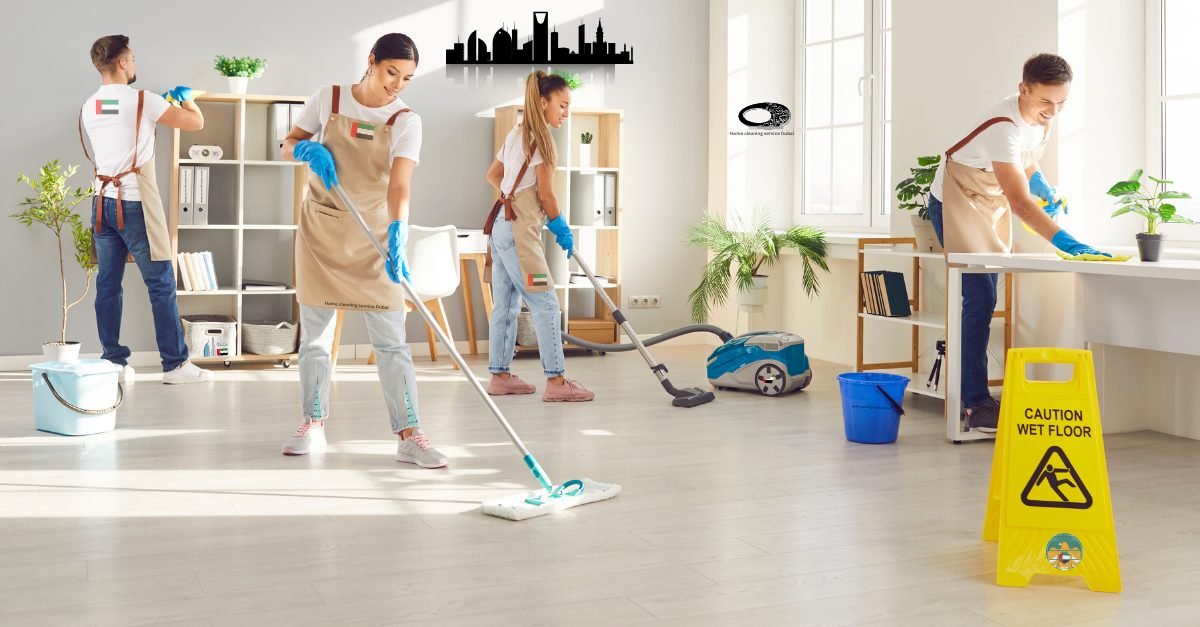
Commercial spaces have a different cleaning context from residential properties.
An office deep cleaning plan can cover:
- ✓Work areas
- ✓Meeting rooms
- ✓Reception areas
- ✓Floors
- ✓Desks and accessible surfaces
- ✓Glass partitions
- ✓Kitchen or pantry areas
- ✓Washrooms
- ✓Doors and high-touch surfaces
- ✓Other agreed areas
The cleaning schedule should also fit around business operations. Choosing suitable cleaning hours can reduce disruption to employees and visitors.
Specialist commercial environments may need a different cleaning method. The correct approach can depend on the type of premises, materials, equipment, and applicable health and safety requirements.
Get a Free Quote
Get an instant estimate and same-day or next-day availability across Dubai and the UAE.
Move-In and Move-Out Deep Cleaning in Dubai
Move-in and move-out cleaning has a specific purpose. It prepares a property for its next stage of occupancy or handover.
Move-in cleaning prepares the property before belongings are unpacked. Move-out cleaning prepares the property before possession is surrendered.
Dubai tenancy guidance states that, at the end of a lease, a tenant must surrender the property in the condition in which it was received. This is subject to ordinary wear and tear and other specified circumstances.
Because of this, documentation and a clearly defined cleaning scope are important parts of a responsible move-out process.
Move-In Cleaning Before You Unpack
Cleaning before furniture and personal belongings arrive gives the team better access.
A move-in deep clean can focus on:
- ✓Empty floors
- ✓Cabinets and shelves
- ✓Wardrobes
- ✓Kitchen surfaces
- ✓Bathroom fixtures
- ✓Tiles and grout
- ✓Doors and frames
- ✓Internal windows
- ✓Window sills and accessible tracks
- ✓Balcony areas where included
Cleaning the property first also reduces the need to work around boxes, furniture, appliances, and personal belongings.
For a new tenant, the goal is simple. Start with a property that has already been cleaned before normal daily use begins.
Move-Out Cleaning Before Property Handover
Move-out cleaning should be based on the actual condition of the property. It should also follow the requirements agreed with the landlord, property manager, or relevant party.
The checklist can include:
- ✓Floors
- ✓Kitchen surfaces
- ✓Appliances where included
- ✓Bathrooms
- ✓Tiles and fixtures
- ✓Cabinets and wardrobes
- ✓Doors and frames
- ✓Internal windows
- ✓Balcony areas
- ✓Visible dust and accumulated grime
Dubai Land Department guidance also highlights the importance of obtaining proof of the property’s return to the owner.
Cleaning alone cannot guarantee the return of a security deposit. Deposit decisions can depend on the lease, property condition, ordinary wear and tear, damage, and other circumstances.
For this reason, a cleaning service should not promise a guaranteed deposit refund.
Tenant Handover Cleaning Checklist
A practical tenant handover checklist should start with the property’s actual condition.
Before the team starts, confirm:
- ✓Property type and size
- ✓Number of rooms
- ✓Number of bathrooms
- ✓Occupied or vacant status
- ✓Kitchen and appliance requirements
- ✓Cabinet and wardrobe interiors
- ✓Window and glass requirements
- ✓Balcony requirements
- ✓Existing stains or damaged surfaces
- ✓Specialist cleaning requirements
- ✓Areas excluded from the standard scope
After cleaning, the same areas should be checked again.
Photographs can also help document the property’s condition. Dubai Land Department’s tenant guidance specifically recommends taking photos or videos to document property condition during handover.
Areas Landlords and Property Managers Commonly Inspect
Inspection priorities can differ from one property to another. They can also depend on the lease agreement.
There is therefore no single landlord inspection checklist that applies everywhere.
However, a sensible handover cleaning review can pay close attention to:
- ✓Kitchen counters and cabinets
- ✓Appliance surfaces
- ✓Bathroom fixtures
- ✓Shower glass
- ✓Tiles and grout
- ✓Floors
- ✓Doors and frames
- ✓Windows and accessible glass
- ✓Wardrobes
- ✓Balconies
- ✓Visible dust and residue
The important point is to separate cleaning from property condition.
A cleaner can remove removable dirt. Cleaning does not automatically repair chipped paint, damaged flooring, cracked tiles, scratched glass, broken fixtures, or other property defects.
Keeping this distinction clear creates a more trustworthy handover process. It also helps prevent unrealistic expectations.
Post-Construction and Post-Renovation Deep Cleaning
Post-construction cleaning is usually more demanding than ordinary residential deep cleaning.
Renovation work can leave fine dust, construction residue, packaging debris, paint marks, adhesive residue, and other material-specific contamination.
Dubai Municipality’s construction guidance places importance on site organisation, ongoing cleaning, debris removal, and restoring affected areas after work.
A post-renovation cleaning service should therefore start with an assessment. The team should identify which residues can be safely removed with standard cleaning methods.
Some residues may need specialist treatment.
Plaster and Fine Construction Dust
Fine construction dust can settle almost anywhere. It can collect on floors, cabinets, ledges, window frames, fixtures, and other surfaces.
A detailed post-construction clean can focus on:
- ✓Fine dust removal
- ✓Floors
- ✓Cabinet surfaces
- ✓Shelves
- ✓Window frames
- ✓Glass
- ✓Doors
- ✓Fixtures
- ✓Accessible corners
- ✓Other affected surfaces
The vacuum used should be suitable for fine dust. Suitable surface cleaning can then follow where required.
Repeated dry wiping can sometimes move fine particles from one surface to another. This is why the cleaning sequence matters.
Construction sites also involve safety considerations. Dubai Municipality has highlighted the importance of health and safety requirements at construction sites.
Cleaning should therefore begin only when the area is suitable and safe for the cleaning team to enter.
Paint Splashes and Adhesive Residue
Paint and adhesive residue need to be identified before treatment.
The correct cleaning method can depend on:
- ✓Type of residue
- ✓Age of residue
- ✓Surface material
- ✓Finish or coating
- ✓Location
- ✓Previous treatment
A method that works on an unfinished construction surface may damage another material.
For example, polished stone, glass, painted walls, laminate, wood, and coated fixtures can all react differently.
A professional service should therefore avoid promising that every paint mark or adhesive residue will disappear without assessing the surface first.
Some marks may need specialist restoration instead of ordinary cleaning.
Cabinets, Floors, Glass and Newly Installed Surfaces
Newly installed materials need careful handling.
Post-renovation cleaning can address suitable:
- ✓Cabinets
- ✓Countertops
- ✓Floors
- ✓Internal glass
- ✓Doors
- ✓Frames
- ✓Fixtures
- ✓Shelves
- ✓Newly installed fittings
The cleaning method should follow the manufacturer’s care requirements where these are available.
This is especially important for new flooring, natural stone, coated glass, painted cabinetry, and specialist finishes.
The goal is to remove construction residue without causing new surface damage.
Preparing a Renovated Property for Occupancy
The final stage should prepare the property for real use. It should not only make the property look clean from a distance.
A final post-renovation checklist can include:
- ✓Fine dust removal
- ✓Floors and edges
- ✓Cabinets and shelves
- ✓Internal glass
- ✓Kitchen surfaces
- ✓Bathroom fixtures
- ✓Doors and frames
- ✓Accessible fixtures
- ✓Removal of remaining cleaning residue
- ✓Final room-by-room inspection
Before occupancy, the property should also be checked for remaining construction materials, unsafe debris, exposed hazards, or unfinished work.
These are not problems that ordinary cleaning personnel can resolve.
Dubai Municipality’s building and construction framework places health, safety, welfare, and environmental considerations at the centre of building requirements.
The strongest post-construction cleaning process therefore keeps three things separate:
Construction completion, safe access, and final cleaning.
This distinction also improves the customer experience.
The cleaner’s responsibility is to clean the agreed surfaces and residues. The contractor’s responsibility is to complete the construction work and address construction defects.
Keeping these responsibilities separate makes the final handover clearer and more practical.
What Cleaning Equipment and Products Do We Bring?
The right equipment depends on several factors. These include the property, surface material, cleaning condition, and agreed scope.
A professional deep clean may need more than basic mops and cloths.
Current Dubai cleaning-service offerings commonly mention heavy-duty vacuums, steam machines, mops, cloths, surface-specific detergents, and tools for hard-to-reach areas.
Equipment should support the cleaning process. It should not simply be used as a marketing claim.
Different surfaces need different tools, products, pressure levels, temperatures, and cleaning methods.
Professional Vacuum and Dust-Removal Equipment
A suitable vacuum helps remove loose dust, sand, hair, and debris before wet cleaning begins.
Depending on the property and scope, the cleaning team may use professional or heavy-duty vacuum equipment for:
- ✓Floors and carpets
- ✓Furniture surfaces
- ✓Corners and edges
- ✓Upholstery where appropriate
- ✓Accessible areas behind or underneath light furniture
- ✓High-dust areas
- ✓Fine household dust and loose debris
Some Dubai cleaning services specifically list heavy-duty vacuums as part of their deep-cleaning equipment.
Vacuuming should normally happen before mopping. Removing loose particles first helps stop dust and debris from becoming wet residue during floor cleaning.
For specialist post-construction work, the equipment should also be suitable for fine construction dust.
The cleaning method should always match the property’s condition and the type of residue present.
Steam Cleaning Equipment
Steam equipment can be useful for selected hard surfaces. It can also help with certain cleaning applications where heat-based treatment is suitable.
It may be used for areas such as:
- ✓Kitchen surfaces
- ✓Bathroom tiles
- ✓Suitable grout
- ✓Hard floors
- ✓Selected fixtures
- ✓Certain upholstery or fabric applications
The supplied competitor research shows steam machines being used for kitchen, bathroom, and specialist cleaning tasks in Dubai.
However, steam should not be presented as a universal solution.
Some wood products, delicate finishes, unsealed surfaces, certain laminates, sensitive adhesives, and moisture-sensitive materials may not be suitable for steam.
The correct method depends on the manufacturer’s care instructions and the condition of the surface.
Floor and Surface Cleaning Tools
Different surfaces need different tools.
A tile floor, natural stone surface, glass panel, stainless-steel fixture, painted cabinet, and wooden surface should not automatically receive the same treatment.
The cleaning team may use:
- ✓Microfibre cloths
- ✓Mops
- ✓Scrubbing pads
- ✓Brushes
- ✓Buckets
- ✓Squeegees
- ✓Extension tools
- ✓Telescopic tools where appropriate
- ✓Surface-specific cleaning accessories
The supplied competitor research also identifies ladders and telescopic poles for suitable high areas and window-cleaning applications.
Tools should always be selected according to the surface.
Too much pressure or abrasive materials can scratch or damage certain finishes.
For elevated or difficult-to-access areas, safety should come first. Reaching every surface is not worth creating an unsafe situation.
Areas that need specialist access should be assessed separately.
Cleaning Products for Different Surface Types
There is no single cleaning product that works safely on every material.
A professional cleaning process can use different products for:
- ✓Glass
- ✓Floors
- ✓Kitchens
- ✓Bathrooms
- ✓Toilets
- ✓Wooden or wood-look surfaces
- ✓Stainless steel
- ✓Stone
- ✓Ceramic and porcelain
- ✓Other compatible hard surfaces
The supplied competitor research identifies separate detergents for dishes, floors, glass, wooden surfaces, and toilets.
Product selection should consider the surface, type of soil, concentration, contact time, ventilation, and manufacturer’s instructions.
This is especially important for natural stone, coated glass, polished metal, painted surfaces, and other sensitive finishes.
Using the wrong chemical can damage a surface instead of cleaning it.
Dubai Municipality maintains technical guidance covering detergents and professional-use biocidal products. It also maintains approved lists for relevant health and safety applications.
Eco-Friendly and Family-Conscious Cleaning Options
Customers can have different preferences when it comes to cleaning products.
This can be especially important in homes with children, pets, elderly residents, or people who are sensitive to strong fragrances.
Where suitable, customers can request products that match their household preferences and the requirements of the surface being cleaned.
A responsible cleaning service should avoid blanket claims such as “chemical-free,” “100% non-toxic,” or “completely allergen-free.”
Cleaning products still need to perform their intended function.
Safety also depends on the specific product, concentration, application, ventilation, and correct use.
Dubai Municipality provides systems and requirements for verifying certain consumer products. These include detergents and antibacterial products.
Its Montaji platform allows consumers and businesses to verify registered products and access product information.
The better approach is simple.
Use the right product for the specific cleaning task. Then follow its safety and application instructions.
How Our Deep Cleaning Process Works From Booking to Final Inspection
A professional deep clean should follow a clear process.
The team should not simply arrive at the property without understanding the scope.
The process connects the customer’s requirements with the property condition, cleaning tasks, equipment, team allocation, and final inspection.
This also creates a more reliable customer experience. Expectations are established before the cleaning begins.
Step 1—Understand Your Property and Cleaning Requirements
Before confirming the service, we identify the basic requirements of the property.
This can include:
- ✓Apartment, villa, townhouse, or office
- ✓Number of bedrooms
- ✓Number of bathrooms
- ✓Occupied or unoccupied property
- ✓Current condition
- ✓Kitchen and bathroom buildup
- ✓Floor and surface types
- ✓Window and balcony requirements
- ✓Cabinet or appliance interiors
- ✓Move-in or move-out requirements
- ✓Post-renovation requirements
- ✓Sofa, carpet, mattress, or other add-ons
The supplied competitor research shows that property size, condition, room count, occupancy, and additional services can be used to determine the cleaning scope and estimate.
The more accurately the property is described, the easier it is to match the team and equipment to the actual job.
Step 2—Confirm Scope, Priorities and Price
The next step is to confirm exactly what will be cleaned.
A clear scope should identify:
- ✓Included rooms
- ✓Included surfaces
- ✓Priority areas
- ✓Specialist services
- ✓Add-ons
- ✓Accessibility limitations
- ✓Exclusions
- ✓Expected team size where relevant
- ✓Estimated duration
- ✓Final or estimated price
Current Dubai market offerings use different pricing models.
Some providers publish property-based fixed prices. Others provide estimates based on size, condition, hours, team requirements, or additional services.
Because of this, customers should compare the scope behind the price, not just the number shown on the quote.
A lower price does not always mean better value if important tasks are excluded.
Step 3—Prepare the Team and Equipment
Once the scope is confirmed, the team should arrive with equipment and products that match the agreed work.
Preparation may include:
- ✓Vacuum equipment
- ✓Steam equipment where appropriate
- ✓Mops and microfibre cloths
- ✓Brushes and suitable scrubbing tools
- ✓Surface-specific cleaning products
- ✓Extension or telescopic tools where required
- ✓Additional equipment for approved specialist services
The supplied competitor material confirms that Dubai deep-cleaning providers commonly describe bringing their own vacuums, steam machines, mops, cloths, detergents, and other cleaning tools.
If specialist equipment is needed, it should be confirmed before the appointment.
It should not be discovered only after the team arrives.
Step 4—Clean From Top to Bottom, Room by Room
A top-to-bottom cleaning sequence helps stop already-cleaned surfaces from becoming dusty again.
The process can generally move through:
- High and accessible dust-collecting areas
- Shelves, frames, cabinets, and fixtures
- Furniture and other agreed surfaces
- Kitchen and bathroom detailing
- Windows and glass where included
- Floors and edges
- Final dusting and mopping
The team can then move through the property room by room according to the confirmed checklist.
This creates a logical contextual and operational hierarchy:
Property → room → surface → cleaning task → final verification
It also makes missed areas easier to find.
Step 5—Quality-Control Inspection
Cleaning should not end as soon as the last room has been wiped.
A quality-control inspection should compare the completed work with the agreed checklist.
The review can focus on:
- ✓Dust remaining on visible surfaces
- ✓Kitchen grease and residue
- ✓Bathroom fixtures
- ✓Tiles and grout
- ✓Floors and edges
- ✓Doors and frames
- ✓Cabinets and shelves
- ✓Internal windows where included
- ✓Balcony areas where included
- ✓Other customer-priority areas
The supplied competitor research identifies quality, transparent scope, customer support, and review/follow-up as important service considerations.
A useful quality-control process is therefore more credible than simply claiming that a property will be “100% spotless.”
The final result should be based on the agreed scope and actual inspection.
Step 6—Customer Walkthrough and Final Touch-Ups
The final stage is a customer-facing review.
Where practical, the customer can walk through the completed areas.
They can then identify any part of the agreed scope that needs more attention.
If an included task has been missed, it should be addressed before the job is considered complete, subject to the agreed service terms.
This creates a clear final process:
Confirmed scope → completed cleaning → quality inspection → customer review → final touch-up
It also removes uncertainty around what “finished” actually means.
How Much Does Deep Cleaning Cost in Dubai?
There is no single price that covers every deep cleaning service in Dubai.
Published Dubai prices can vary quite a lot. The final cost can depend on property size, cleaning scope, property condition, team arrangement, included materials, and additional services.
For example, current published guides show studio starting prices of around AED 299–350. Larger villas can cost thousands of dirhams, depending on the work required.
These figures should be treated as market examples, not a universal Dubai price list.
The final price should always be based on the actual property and the cleaning scope that has been confirmed.
Deep Cleaning Price for Studios and Apartments
Apartment cleaning prices usually increase as the property gets larger.
More rooms mean more surfaces to clean. More bathrooms, furniture, and floor space can also increase the required cleaning time.
Recent Dubai market examples include published starting prices around:
- ✓Studio: approximately AED 299–490
- ✓1-bedroom: approximately AED 400–650
- ✓2-bedroom: approximately AED 550–850
- ✓3-bedroom: approximately AED 650–1,150
These ranges are based on currently published Dubai service prices.
They can vary by provider. They can also vary based on the cleaning scope, team size, VAT treatment, and included services.
Customers should not compare two prices without checking what each package actually includes.
A lower price may include fewer cleaning tasks. It may also include fewer cleaners, fewer working hours, or fewer materials.
Deep Cleaning Price for Villas and Townhouses
Villas generally need more labour than apartments.
They may have additional bedrooms, bathrooms, floors, staircases, larger kitchens, balconies, terraces, maid’s rooms, and other spaces.
Current published Dubai examples include:
- ✓3-bedroom villa: around AED 800–1,200
- ✓4-bedroom villa: around AED 1,000–1,200+
- ✓5-bedroom villa: around AED 1,200–1,500+
- ✓Larger or specialist villa projects: potentially AED 2,500–3,500+ depending on scope
These figures are market examples. They are not guaranteed prices.
Published rates can differ considerably between cleaning providers.
The property condition can also change the price. So can additional services.
Outdoor areas may increase the total. Exterior windows can also add to the cost. Post-construction cleaning, appliance interiors, upholstery, and other specialist work may also be charged separately.
What Determines Your Final Cleaning Price?
The final price should reflect the actual work needed at the property.
Important factors include:
- ✓Property type
- ✓Property size
- ✓Number of rooms
- ✓Number of bathrooms
- ✓Property condition
- ✓Amount of dust or grease buildup
- ✓Limescale or other residue
- ✓Occupied or unoccupied status
- ✓Floor and surface materials
- ✓Window and balcony requirements
- ✓Cabinet and appliance interiors
- ✓Specialist cleaning requirements
- ✓Team size
- ✓Estimated labour time
- ✓Additional equipment
- ✓Selected add-ons
The supplied competitor research also identifies property size, room count, condition, add-ons, and occupied versus empty premises as pricing factors.
A transparent quote should explain these variables.
It should not advertise a very low headline price and then change the amount after the team arrives.
Property Size and Number of Rooms
Property size is one of the clearest pricing factors.
However, bedroom count alone does not tell the whole story.
Two properties can have the same number of bedrooms and still require very different amounts of work.
One property may have:
- ✓More bathrooms
- ✓A larger kitchen
- ✓More built-in cabinets
- ✓More glass
- ✓More furniture
- ✓Multiple floors
- ✓Larger balconies
- ✓Heavier buildup
Because of this, property type and size should be the starting point of the quote.
They should not be the only factors used to calculate the price.
Property Condition and Existing Buildup
Property condition can have a major effect on labour requirements.
A recently maintained apartment may need much less work than a property with months of accumulated dust.
Heavy grease can also increase the cleaning time.
The same applies to extensive bathroom buildup and post-renovation residue.
Current Dubai pricing guides specifically identify property condition and heavy buildup as factors that can increase labour requirements or the final price.
A professional quote should therefore separate standard-condition cleaning from heavy-condition cleaning.
Cleaning Team Size and Estimated Duration
Team size and cleaning duration are closely connected.
A larger team may finish a large property faster. However, the total amount of labour still depends on the cleaning scope.
Current Dubai providers publish different combinations of team sizes and estimated durations.
For example, published schedules can range from several hours for studios and apartments to full-day engagements for larger villas.
Customers should ask what the quoted price actually represents:
- ✓One cleaner working for several hours
- ✓Multiple cleaners working for a shorter period
- ✓A fixed property price
- ✓An hourly service
- ✓A specialist cleaning package
This makes price comparisons much more useful.
It also helps customers understand what they are actually paying for.
Additional Services and Specialised Cleaning
Some cleaning tasks need extra labour, equipment, or specialist methods.
Examples include:
- ✓Sofa cleaning
- ✓Carpet cleaning
- ✓Mattress cleaning
- ✓Curtain cleaning
- ✓Internal oven cleaning
- ✓Internal refrigerator cleaning
- ✓AC duct cleaning
- ✓Exterior window cleaning
- ✓High-level glass cleaning
- ✓Post-construction cleaning
Current Dubai providers commonly separate these services from standard deep-cleaning packages.
Some providers may also price them according to the additional scope.
These add-ons should be confirmed before the work starts.
This helps the customer understand the total expected cost before the cleaning team begins.
Why the Cheapest Deep Cleaning Quote Is Not Always the Best Value
Price is important.
However, the cheapest quote does not always mean the lowest overall cost.
A useful comparison should look at:
- ✓What rooms are included
- ✓What surfaces are included
- ✓Number of cleaners
- ✓Estimated cleaning time
- ✓Equipment provided
- ✓Cleaning products provided
- ✓Specialist services
- ✓Exclusions
- ✓Additional charges
- ✓Quality-control process
- ✓Re-clean or satisfaction terms
A AED 350 quote and a AED 700 quote cannot be compared fairly if the two services cover different scopes.
The better question is:
What exactly will be cleaned for the quoted price?
That question changes the comparison from price alone to actual value.
How Long Does a Deep Cleaning Service Take?
Deep cleaning time depends on several factors.
These include the property, condition, cleaning scope, team size, and equipment.
Current Dubai providers publish examples ranging from around 3–4 hours for studios to around 10–14 hours for larger five-bedroom villas.
Other providers publish different estimates.
These figures can be useful for planning. However, they should not be treated as a guarantee for every property.
Estimated Time for Studios and Apartments
Indicative published Dubai service times include:
- ✓Studio: around 3–4 hours
- ✓1-bedroom: around 4–5 hours
- ✓2-bedroom: around 5–7 hours
- ✓3-bedroom: around 6–8 hours
Some providers publish shorter estimates. Others publish longer ones.
The difference can depend on the team structure and cleaning scope.
An occupied apartment can also take longer than an empty property.
Cleaners may need to work around furniture and personal belongings. This can reduce access to some floors, corners, cabinets, and other surfaces.
Estimated Time for Villas and Larger Properties
Villas usually require more time.
They have more floor area and often contain additional rooms, bathrooms, surfaces, and other features.
Current published examples include:
- ✓3-bedroom villa: around 7–9 hours
- ✓4-bedroom villa: around 8–11 hours
- ✓5-bedroom villa: around 10–14 hours
Larger villas may require a full-day engagement.
They may also need additional labour depending on the property and agreed scope.
Post-construction cleaning can take longer.
Move-out cleaning can also require additional time.
The same applies to heavily soiled properties and specialist cleaning requirements.
Why Cleaning Time Changes With Property Condition
Bedroom count does not tell us how difficult a property will be to clean.
Cleaning time can increase when there is:
- ✓Heavy dust accumulation
- ✓Significant grease
- ✓Limescale buildup
- ✓Long-neglected bathrooms
- ✓Post-renovation dust
- ✓Extensive furniture
- ✓Large amounts of glass
- ✓Multiple kitchens or bathrooms
- ✓Difficult access
- ✓Specialist cleaning requirements
Current Dubai pricing sources specifically identify property condition and accumulated buildup as factors that can increase labour requirements.
This is why a realistic time estimate should consider both property size and property condition.
A large but well-maintained property may not take the same amount of time as a smaller property with heavy buildup.
How Team Size Affects Completion Time
Adding more cleaners can reduce the total elapsed time for a large property.
This works best when the cleaning tasks can be divided properly.
For example, different team members can work in separate rooms or zones at the same time.
However, team size does not mean every task can be completed instantly.
Some cleaning activities need to follow a sequence.
Certain products need contact time. Some surfaces need drying time. Other tasks need equipment setup or careful treatment.
The objective should therefore be to use an appropriate team for the agreed scope.
Simply adding more cleaners is not always the best solution.
What’s Included—and What’s Not Included—in Our Deep Cleaning Service?
The phrase “deep cleaning” can mean different things to different customers.
The safest approach is to clearly define the standard cleaning scope.
Specialist and restricted tasks should then be listed separately.
This helps prevent misunderstandings about furniture, windows, appliances, exterior areas, stains, high surfaces, and specialist equipment.
Standard Cleaning Tasks Included
Depending on the selected service, standard deep cleaning can cover:
- ✓Dusting accessible surfaces
- ✓Vacuuming
- ✓Mopping suitable floors
- ✓Kitchen cleaning
- ✓Bathroom cleaning
- ✓Tile and grout cleaning
- ✓Doors and frames
- ✓Switches and skirting
- ✓Cabinets and shelves where included
- ✓Internal windows where included
- ✓Accessible balcony areas
- ✓Selected furniture surfaces
- ✓Other agreed residential areas
The supplied competitor research includes similar categories.
These include kitchens, bathrooms, floors, furniture, balconies, windows, switches, doors, skirting, and AC vents.
The exact scope should always be confirmed before booking.
Heavy Furniture Movement and Other Limitations
Heavy furniture should not automatically be included in a standard deep-cleaning service.
The supplied competitor research specifically identifies heavy furniture movement as an exclusion in one Dubai service offering.
A practical service boundary is to move only light items when doing so is safe and reasonable.
Heavy wardrobes may need special handling.
The same can apply to beds, sofas, appliances, fragile furniture, and other difficult-to-move objects.
These items may require customer assistance, specialist handling, or an additional service.
Customers should also secure valuable, fragile, or personal belongings before cleaning begins.
This helps protect both the belongings and the cleaning team.
External or Specialist Cleaning That Requires an Add-On
Some areas require specialist equipment.
Others need additional labour or different safety procedures.
These can include:
- ✓Exterior windows
- ✓Building façades
- ✓High-level glass
- ✓AC duct interiors
- ✓Extensive outdoor areas
- ✓Pool areas
- ✓Gardens
- ✓Specialist upholstery treatment
- ✓Post-construction cleaning
- ✓Certain appliance interiors
Current Dubai service offerings explicitly list exclusions such as external areas, external windows, façades, and areas above specified heights.
Some providers allow these excluded services to be arranged for an additional charge.
The important point is to confirm these requirements before the appointment.
This prevents confusion about what is included in the original price.
Areas That Need Customer Approval Before Treatment
Some surfaces need extra care.
The wrong cleaning method can change their appearance or damage the finish.
Customer approval or prior assessment may be appropriate for:
- ✓Delicate stone
- ✓Unsealed surfaces
- ✓Sensitive wood finishes
- ✓Special coatings
- ✓Heavily stained materials
- ✓Painted surfaces with existing damage
- ✓Antique or valuable furniture
- ✓Fragile fixtures
- ✓Surfaces with unknown previous chemical treatment
A professional cleaner should not assume that every stain can tolerate the strongest available product.
The same applies to every surface.
The safer approach is to identify the material first.
Then assess its condition and choose a compatible cleaning method.
How We Confirm Additional Work Before Charging
Additional work should never become an unexpected charge.
If the team finds a task outside the agreed scope, the customer should be told:
- What additional work is required
- Why it is outside the standard scope
- What method or equipment is needed
- How much additional time it may require
- What the additional cost will be
- Whether the customer wants to proceed
The additional work should begin only after the customer accepts the scope and price.
This creates a simple commercial principle:
No surprise scope. No surprise charges.
Current Dubai providers use different pricing models.
These include fixed property prices, estimates, and separate add-on pricing.
Because of this, scope confirmation becomes especially important when comparing different cleaning services.
The customer should know what is included, what is excluded, what may cost extra, and what the final expected price will be before the work begins.
Can Deep Cleaning Remove Every Stain?
No professional cleaning company should promise that every stain will disappear.
Deep cleaning can remove many types of surface dirt. It can also treat suitable stains. However, the final result depends on several factors.
These include the type of stain, surface material, stain age, previous treatment, and overall surface condition.
The supplied competitor research takes the same position. It states that visible stains can be treated, but some may remain because of the material, age of the stain, previous damage, or earlier cleaning attempts.
A clear stain policy creates more trust than an unrealistic promise of “100% stain removal.”
Stains We Commonly Treat
Depending on the surface and its condition, deep cleaning can address suitable examples such as:
- ✓Food residue
- ✓Everyday kitchen grease
- ✓Soap residue
- ✓Surface grime
- ✓Dust-related marks
- ✓Fingerprints
- ✓Light water marks
- ✓Common household spills
- ✓Surface dirt on tiles and hard surfaces
The cleaning method should always match the material.
A stain on ceramic tile is not the same as a stain on natural stone.
The same applies to painted wood, upholstery, carpet, and untreated fabric.
Each material can react differently to cleaning products and treatment methods.
Why Some Permanent Stains Cannot Be Completely Removed
Some marks are no longer just dirt sitting on the surface.
The stain may have become part of the material or may have caused permanent damage.
A stain may have:
- ✓Penetrated a porous material
- ✓Permanently discoloured a fibre
- ✓Damaged the surface finish
- ✓Caused etching
- ✓Changed the material’s colour
- ✓Been chemically altered by a previous cleaning attempt
- ✓Remained for a long period
- ✓Become associated with physical damage
In these situations, stronger chemicals may not solve the problem.
They may even make the damage worse.
A professional cleaner should explain the limitation instead of repeatedly using stronger products.
The right approach is to assess the material first and then choose a suitable treatment.
How Surface Material and Stain Age Affect Results
The same stain can produce different results on different materials.
For example, a mark on glazed ceramic may respond differently from the same substance on:
- ✓Natural stone
- ✓Grout
- ✓Wood
- ✓Upholstery
- ✓Carpet
- ✓Painted surfaces
- ✓Laminate
- ✓Glass
Stain age also matters.
Fresh residue can be easier to remove than a mark that has been sitting on a surface for months.
Previous cleaning attempts can also change the result.
This is particularly important when unsuitable chemicals have already affected the material.
For this reason, stain treatment should begin with identification and assessment.
It should not simply begin with stronger chemicals.
When Specialist Restoration May Be Required
Some conditions go beyond ordinary deep cleaning.
Specialist restoration may be more suitable for:
- ✓Severely etched stone
- ✓Scratched glass
- ✓Deeply damaged wood
- ✓Permanently discoloured grout
- ✓Heavily damaged upholstery
- ✓Extensive mould remediation
- ✓Severe water damage
- ✓Restoration of valuable or delicate materials
Dubai Municipality maintains technical guidance covering mould remediation and control. It also provides guidance related to risk assessment and professional-use biocidal products.
A deep cleaning service can handle appropriate cleaning tasks.
However, it should not present restoration, repair, or remediation as ordinary housekeeping.
The most trustworthy promise is simple:
We will use an appropriate method to treat the stain, explain realistic expectations, and avoid promising a result that the material or condition cannot support.
Get a Free Quote
Get an instant estimate and same-day or next-day availability across Dubai and the UAE.
Deep Cleaning Add-On Services in Dubai
A standard deep clean covers the agreed residential areas and surfaces.
Some cleaning tasks need different equipment. Others need more treatment time or specialist methods.
These services can be added to the main cleaning appointment when suitable.
Specialist cleaning commonly offered in the Dubai market includes carpet, sofa, mattress, curtain, appliance, window, and AC-related services.
Some local cleaning providers also package several of these services together. This can be useful for customers who want a more complete property clean.
Sofa and Upholstery Cleaning
Sofas and upholstered furniture can collect dust, hair, food particles, spills, and everyday surface dirt.
A specialist upholstery service can assess:
- ✓Fabric or upholstery type
- ✓Visible stains
- ✓General soiling
- ✓Odour concerns
- ✓Previous cleaning treatments
- ✓Material-specific care requirements
The cleaning method should match the upholstery.
Depending on the material, suitable treatment may involve vacuuming, low-moisture cleaning, steam, extraction, or another appropriate method.
Not every sofa should receive the same treatment.
Delicate fabrics need extra care.
Colour-sensitive materials may also require special handling. Damaged upholstery should be assessed before treatment.
Carpet Cleaning
Carpets can hold dust and debris deep within their fibres.
Ordinary surface vacuuming may not completely remove this material.
Professional carpet cleaning can be used for:
- ✓General carpet soiling
- ✓Surface stains
- ✓Embedded dirt
- ✓High-traffic areas
- ✓Odour-related cleaning
- ✓Periodic carpet maintenance
The right method depends on the carpet fibre, backing, construction, condition, and manufacturer’s care instructions.
Stain removal should also be approached realistically.
Some discolouration can be permanent.
In other cases, the stain may already have damaged the carpet fibre.
Mattress Cleaning
Mattresses need a different cleaning approach from hard household surfaces.
Depending on the material and selected service, mattress cleaning may address:
- ✓Surface dust
- ✓Hair and debris
- ✓General soiling
- ✓Selected stains
- ✓Odour concerns
The mattress material should determine the cleaning method.
Manufacturer care instructions should also be followed where available.
A cleaning company should not promise that every stain, odour, or biological contaminant will be completely removed.
Severe contamination may need specialist remediation rather than ordinary mattress cleaning.
Curtain Cleaning
Curtains can collect dust and household odours over time.
Before cleaning, the material should be assessed.
Some curtain fabrics can shrink. Others can bleed colour, crease, or react badly to moisture.
The service may therefore involve:
- ✓Fabric assessment
- ✓Dust removal
- ✓Suitable cleaning treatment
- ✓Stain treatment where appropriate
- ✓Drying requirements
Some curtains may need specialist off-site cleaning instead of on-site treatment.
The safest method depends on the fabric and manufacturer’s care requirements.
Oven and Appliance Cleaning
Kitchen appliances can develop grease and food residue.
This is especially common around frequently used cooking surfaces.
Depending on the selected scope, appliance cleaning can include:
- ✓Oven exterior and interior
- ✓Extractor hood
- ✓Microwave
- ✓Refrigerator
- ✓Dishwasher
- ✓Other accessible appliances
Interior appliance cleaning should be confirmed separately if it is not included in the standard deep-cleaning package.
The cleaning method must also be suitable for electrical components, coatings, seals, stainless steel, glass, and other appliance materials.
Window and Glass Cleaning
Window cleaning can cover suitable internal glass, frames, sills, tracks, and glass doors.
The service scope should clearly separate:
- ✓Internal windows
- ✓External windows
- ✓Accessible glass
- ✓High-level glass
- ✓Difficult-to-reach windows
External façades and high-level glass may require specialist access equipment.
They may also require additional safety procedures.
Dubai Municipality publishes technical guidance covering the safe use of ladders and mobile access equipment.
This reinforces the importance of using suitable access methods for elevated cleaning work.
AC Duct and Vent Cleaning
AC vent cleaning and AC duct cleaning are different services.
A standard home deep clean can address accessible external vent and grille surfaces where these are included.
AC duct cleaning involves the internal ductwork.
It can require specialist equipment and a separate cleaning process.
Customers should therefore confirm whether their booking covers:
- ✓Accessible vent surfaces
- ✓Filters
- ✓Grilles
- ✓Internal ductwork
- ✓Coil or HVAC components
- ✓Other specialist AC cleaning
Combining services can be convenient.
However, the required equipment and scope should be confirmed before the appointment.
Current Dubai providers advertise packages that combine deep cleaning with AC duct cleaning and other specialist services.
Is Professional Deep Cleaning Safe for Children, Pets and Families?
Professional cleaning can be carried out safely when suitable products, equipment, application methods, ventilation, and safety procedures are used.
Safety does not come simply from calling a product “eco-friendly” or “chemical-free.”
It depends on the actual product and how it is used.
Dubai Municipality maintains approved lists and requirements for professional-use biocides and cleaning and disinfection companies.
Product Selection and Surface Compatibility
Cleaning products should be selected according to both the task and the surface.
A product that works well for bathroom scale may not be suitable for natural stone.
A kitchen degreaser may also be unsuitable for painted cabinetry.
The cleaning team should consider:
- ✓Surface material
- ✓Existing finish
- ✓Type of dirt or buildup
- ✓Product instructions
- ✓Required concentration
- ✓Contact time
- ✓Ventilation
- ✓Household requirements
Where disinfection or professional-use biocidal products are involved, Dubai Municipality provides information on approved products and professional-use requirements.
Customers with children, pets, allergies, respiratory sensitivities, or specific product preferences should communicate these requirements before the appointment.
Ventilation During and After Cleaning
Ventilation can help reduce lingering odours.
It can also support drying after wet cleaning.
Where practical, the cleaning team can use suitable ventilation during and after the service.
This depends on the property’s layout, weather, air-conditioning requirements, and product instructions.
Customers should also follow product-specific instructions regarding re-entry, drying, and ventilation.
If occupants or pets need to stay outside a treated area for a period of time, this should be explained before treatment begins.
What Customers Should Prepare Before the Team Arrives
A little preparation can make deep cleaning more efficient.
Customers should ideally:
- ✓Secure valuable or fragile items
- ✓Store personal documents and sensitive belongings
- ✓Remove unnecessary clutter
- ✓Keep pets in a safe area if needed
- ✓Identify priority cleaning areas
- ✓Mention delicate surfaces
- ✓Identify existing damage or stains
- ✓Tell the team about special product preferences
- ✓Confirm access and parking arrangements
- ✓Ensure water and electricity are available where required
Customers should also identify any surfaces they do not want treated.
Clear communication before cleaning reduces the chance of misunderstandings.
It also gives the team time to prepare the correct equipment and cleaning products.
How to Choose a Reliable Deep Cleaning Company in Dubai
The best cleaning company is not necessarily the one making the biggest “best,” “number one,” or “cheapest” claim.
A better comparison looks at the complete service.
Consider scope, equipment, team, time, price, safety, inspection, reviews, and service terms.
Check the Cleaning Scope Before Comparing Prices
Do not compare prices until you know what each company includes.
Ask:
- ✓Which rooms are included?
- ✓Are cabinets included?
- ✓Are cabinet interiors included?
- ✓Are windows included?
- ✓Are balconies included?
- ✓Are appliances included?
- ✓Are floors deep-cleaned or simply mopped?
- ✓Are sofa and carpet services separate?
- ✓Are bathrooms descaled?
- ✓Are stains treated?
- ✓What is excluded?
A AED 400 service and a AED 700 service may represent very different scopes.
The lowest headline price only has meaning when the underlying services are comparable.
Ask What Equipment and Materials Are Included
Confirm whether the company brings its own:
- ✓Vacuum equipment
- ✓Mops
- ✓Microfibre cloths
- ✓Brushes
- ✓Steam equipment
- ✓Cleaning chemicals
- ✓Glass-cleaning tools
- ✓Specialist equipment for selected add-ons
Also ask whether specialist services need separate equipment or additional charges.
A professional cleaning company should be able to explain the basic equipment required for the agreed scope.
Customers should not have to discover important exclusions on the day of service.
Confirm the Number of Cleaners and Estimated Duration
Ask how many cleaners will attend.
Also ask how long the service is expected to take.
The answer should relate to:
- ✓Property size
- ✓Number of rooms
- ✓Property condition
- ✓Occupancy
- ✓Cleaning scope
- ✓Specialist services
Be cautious about promises that a large villa will receive a complete deep clean in an unrealistically short time.
The company should explain the team size and scope behind the estimate.
Check Whether Pricing Has Hidden Charges
Before confirming the booking, ask whether the quoted price includes:
- ✓Labour
- ✓Cleaning products
- ✓Equipment
- ✓VAT where applicable
- ✓Travel or access charges
- ✓Specialist services
- ✓Additional hours
- ✓Heavy-condition surcharges
- ✓Weekend or holiday charges
A trustworthy quote should explain what could cause the price to change.
If an additional task becomes necessary, the customer should approve the extra work and price before it begins.
Ask How Quality Is Inspected
Do not rely only on a “100% satisfaction” statement.
Ask how quality is actually checked.
A useful process can include:
- ✓Room-by-room checklist
- ✓Team-leader inspection
- ✓Customer walkthrough
- ✓Priority-area verification
- ✓Final touch-ups where an included task was missed
The inspection process tells you more than a generic quality claim.
Understand the Re-Clean or Satisfaction Policy
Ask what happens if an included area has been missed.
A clear policy should explain:
- ✓How customers report an issue
- ✓How soon they should report it
- ✓Which issues qualify for a re-clean
- ✓What is excluded
- ✓Whether the company sends the team back
- ✓Whether specialist damage or permanent stains are excluded
A re-clean policy should apply to missed agreed cleaning tasks.
It should not be presented as a promise that every stain, mark, scratch, or property defect can be repaired.
Verify Reviews, Business Information and Service Coverage
Reviews can show patterns that marketing pages do not always explain.
Look for information about:
- ✓Cleaning quality
- ✓Punctuality
- ✓Communication
- ✓Staff behaviour
- ✓Pricing transparency
- ✓Missed areas
- ✓Complaint handling
- ✓Repeat customers
Do not rely on review stars alone.
Read the actual comments and look for consistent feedback.
Also confirm that the company serves your location.
Make sure it provides the type of cleaning you need.
For services involving professional cleaning or disinfection products, Dubai Municipality provides public health and safety information. It also provides information about approved companies and professional-use products.
What Makes Our Deep Cleaning Service Different?
Strong differentiation does not come from adding more adjectives.
It comes from having a clearer service system.
Our approach is based on defined scope, suitable equipment, transparent communication, room-by-room execution, and final inspection.
Transparent Scope Before Work Begins
You should know what you are paying for before the team starts.
We define the agreed:
- ✓Rooms
- ✓Surfaces
- ✓Cleaning tasks
- ✓Add-ons
- ✓Exclusions
- ✓Access limitations
- ✓Expected duration
- ✓Price
If a task falls outside the agreed scope, we explain it before charging for additional work.
Trained Cleaning Teams
Cleaning quality depends on more than the equipment inside the vehicle.
The team needs to understand:
- ✓Cleaning sequences
- ✓Product instructions
- ✓Surface compatibility
- ✓Safe equipment use
- ✓Bathroom and kitchen detailing
- ✓Stain limitations
- ✓Customer property protection
- ✓Final inspection procedures
The goal is not simply to clean faster.
The goal is to clean the correct surfaces using the right method.
Professional Equipment
Equipment should be selected according to the cleaning requirement.
Depending on the scope, this can include:
- ✓Professional vacuum equipment
- ✓Microfibre systems
- ✓Steam equipment
- ✓Brushes
- ✓Floor-cleaning tools
- ✓Glass-cleaning tools
- ✓Specialist equipment for selected add-ons
The equipment list should support the service.
It should not simply be a collection of marketing terms.
Clear Pricing and Booking Communication
A good booking process should answer the important questions before the appointment.
What will be cleaned?
How much will it cost?
How many cleaners will attend?
How long should it take?
What is excluded?
Are specialist services included?
Clear answers make it easier to compare the service with other Dubai cleaning companies.
Room-by-Room Quality Control
The property should be checked against the agreed scope.
The team should not rely only on a quick visual impression.
The inspection can cover:
- ✓Living areas
- ✓Bedrooms
- ✓Kitchen
- ✓Bathrooms
- ✓Floors
- ✓Cabinets
- ✓Windows
- ✓Balconies
- ✓Other agreed priority areas
This creates a clear completion point for the service.
Customer Inspection Before Completion
The final walkthrough gives the customer a chance to review the completed work.
If an agreed cleaning task has been missed, it can be identified and addressed before the team leaves, subject to the service terms.
This creates a simple accountability chain:
Scope → Cleaning → Inspection → Customer Review → Final Touch-Up
Deep Cleaning Service Areas Across Dubai
We serve customers across Dubai, subject to availability, property access, and service requirements.
Dubai has a wide mix of apartments, villas, townhouses, offices, and commercial properties.
Cleaning requirements can therefore change significantly from one community to another.
The following areas represent major Dubai locations where customers may look for professional deep cleaning services.
Downtown Dubai and Business Bay
Deep cleaning can be arranged for apartments, residences, offices, and other suitable properties in Downtown Dubai and Business Bay.
Many properties in these areas are located inside high-rise buildings.
Building access, parking, lift access, security procedures, and permitted working hours should therefore be confirmed before the appointment.
Dubai Marina, JBR and JLT
Dubai Marina, JBR, and JLT contain many apartments and mixed-use properties.
Cleaning requirements can vary between furnished apartments, vacant units, holiday properties, and offices.
The quotation should reflect the actual property and cleaning scope.
The neighbourhood alone should not determine the price.
Palm Jumeirah and Jumeirah
Properties in Palm Jumeirah and Jumeirah range from apartments to large villas.
Larger properties can have multiple floors, balconies, terraces, glass areas, outdoor spaces, and additional rooms.
These features can affect the cleaning scope.
Specialist services may also be required depending on the property.
Al Barsha, Umm Suqeim and Al Quoz
These areas include residential, commercial, and mixed-use properties.
The appropriate cleaning plan depends on the property.
An occupied home may need a different approach from a vacant unit.
An office or villa may also require a different scope.
Arabian Ranches, Damac Hills and Mudon
These communities contain many larger homes and villas.
They can require broader room-by-room cleaning plans.
Before booking, confirm:
- ✓Number of bedrooms
- ✓Number of bathrooms
- ✓Number of floors
- ✓Kitchen requirements
- ✓Balcony or terrace areas
- ✓Outdoor spaces
- ✓Specialist cleaning requirements
This helps the cleaning team plan the correct manpower and equipment.
Mirdif, Deira and International City
Apartments, villas, and other properties across Mirdif, Deira, and International City can be serviced according to the agreed cleaning scope.
Property access and building-specific requirements should be confirmed before the appointment.
The property condition should also be considered when estimating the cleaning time.
Dubai Silicon Oasis, Motor City and Sports City
These communities include apartments, villas, offices, and mixed-use properties.
The cleaning plan should match the property’s actual layout.
It should also consider occupancy, condition, surface types, and the required cleaning services.
Dubai Hills Estate, Jumeirah Village Circle and Jumeirah Village Triangle
Dubai Hills Estate, JVC, and JVT include a wide range of apartments, townhouses, and villas.
Deep cleaning requirements can vary between smaller apartments and larger family homes.
For these properties, the quotation should consider room count, bathrooms, floor area, furniture, windows, balconies, and the current level of buildup.
Dubai Creek Harbour, Dubai South and Expo City Area
These newer and expanding areas include apartments, residences, commercial spaces, and mixed-use developments.
Building access can vary between developments.
Customers should provide the building or community name when requesting a quotation.
This helps confirm access requirements and service availability.
Al Furjan, Discovery Gardens and Jebel Ali
These areas include apartments, townhouses, villas, and other residential properties.
Cleaning requirements can range from routine deep cleaning to move-in, move-out, and handover cleaning.
The final scope should be based on the property rather than the location alone.
International City, Warsan and Nearby Residential Areas
Customers in International City, Warsan, and nearby residential communities can request deep cleaning according to property type and scope.
Apartment size, occupancy, furniture, bathroom condition, kitchen buildup, and access can all affect the cleaning requirements.
Other Dubai Communities We Serve
Dubai is much larger than a fixed list of neighbourhoods.
If your community is not listed above, contact us with:
- ✓Community name
- ✓Property type
- ✓Property size
- ✓Number of bedrooms and bathrooms
- ✓Occupied or vacant status
- ✓Required cleaning services
We can then confirm service availability and prepare the appropriate cleaning scope.
Frequently Asked Questions About Deep Cleaning in Dubai
There is no single cleaning frequency that works for every property.
The right schedule depends on occupancy, household size, lifestyle, dust exposure, cooking frequency, pets, maintenance habits, and the property’s condition.
Routine cleaning can help maintain the property between deeper cleaning sessions.
A professional service should confirm what it provides before booking.
Depending on the agreed scope, the cleaning company can bring the required vacuum, mops, cloths, brushes, cleaning products, and other equipment.
Specialist services may require additional equipment.
Team size should depend on the property and agreed scope.
A studio may need fewer cleaners than a large villa.
A larger team may also be useful when a property needs to be completed within a shorter appointment window.
Ask for the expected team size before confirming the booking.
The duration depends on property size, condition, team size, occupancy, and scope.
Studios and smaller apartments generally require less time than large villas.
Heavily soiled properties and post-renovation projects can also require more time.
A reliable estimate should be based on the actual property.
It should not rely on one universal time promise.
Same-day service depends on team availability, location, property size, and cleaning scope.
If you need same-day cleaning, provide the property type, size, location, and required services when requesting the booking.
This allows the company to determine whether an appropriate team and equipment are available.
Yes.
An occupied home can be cleaned when the required areas are accessible.
Customers should secure valuables and organise personal belongings before the team arrives.
They should also identify areas that need special attention.
Occupied homes can take longer than empty properties because cleaners may need to work around furniture and personal belongings.
Yes.
An empty property can often be cleaned more efficiently.
Floors, cabinets, corners, and other surfaces are easier to access when there is less furniture and fewer personal belongings.
Move-out cleaning should still follow the lease and agreed handover requirements.
Dubai Land Department states that tenants must generally surrender leased property in the condition in which it was received, subject to ordinary wear and tear and other applicable circumstances.
Cabinet interiors and appliance interiors should be confirmed as part of the agreed scope.
Interior oven, refrigerator, or cabinet cleaning may need additional time.
It may also require specific products.
Customers should not assume that “deep cleaning” automatically includes every internal appliance surface.
Heavy furniture movement should not normally be assumed to be included.
Light items may be moved when it is safe and practical.
Heavy, fragile, valuable, or fixed furniture may require customer assistance or specialist handling.
Confirm this before booking if cleaning underneath or behind heavy furniture is important.
Suitable surface buildup can often be treated.
However, results depend on the material, age of the buildup, severity, previous treatment, and underlying cause.
Persistent mould can also indicate a moisture problem.
Deep cleaning should not be presented as a replacement for fixing the source of ongoing moisture.
No.
Professional cleaning can treat many common stains and surface marks.
However, permanent discolouration, etching, material damage, old stains, dye transfer, and previous chemical damage can prevent complete removal.
A responsible cleaner should explain the expected result before using an aggressive treatment.
Cleaning can be performed safely when suitable products and application methods are used.
Children and pets should be kept away from active cleaning areas when required by product instructions or the cleaning process.
Tell the team about children, pets, allergies, sensitivities, or product preferences before the service.
Dubai Municipality publishes information on approved professional-use biocides and cleaning and disinfection companies.
These services can be offered as specialist add-ons, depending on availability and the material being treated.
Each service needs a different cleaning approach from ordinary hard-surface deep cleaning.
Confirm the exact service and method before booking.
Yes, where the required specialist service is available.
However, accessible vent cleaning and internal AC duct cleaning are different tasks.
Confirm exactly what the AC service includes before adding it to your booking.
First, compare the issue with the agreed scope.
If an included task was missed, report it according to the company’s satisfaction or re-clean policy.
The issue can then be reviewed and, where applicable, corrected.
A re-clean policy should address missed agreed cleaning tasks.
It should not promise the removal of permanent stains, pre-existing damage, or defects outside the cleaning scope.
Get a Clear Deep Cleaning Quote for Your Dubai Property
A useful quote should tell you more than a single number.
It should connect your property type, size, condition, cleaning requirements, team, equipment, scope, exclusions, and final price.
Tell Us Your Property Type, Size and Cleaning Requirements
Provide:
- ✓Apartment, villa, townhouse, or office
- ✓Number of bedrooms
- ✓Number of bathrooms
- ✓Approximate property size
- ✓Occupied or vacant status
- ✓Current condition
- ✓Priority areas
- ✓Kitchen and bathroom requirements
- ✓Window or balcony requirements
- ✓Cabinet and appliance requirements
- ✓Sofa, carpet, mattress, or curtain requirements
- ✓AC cleaning requirements
- ✓Move-in, move-out, or post-renovation requirements
The more complete the information, the more accurately the service can be planned.
Receive a Clear Scope and Price
Before booking, we confirm the agreed cleaning scope and price.
The quotation should clearly state:
- ✓Included tasks
- ✓Add-on services
- ✓Exclusions
- ✓Expected team size
- ✓Estimated duration
- ✓Equipment or materials
- ✓Additional-charge conditions
This gives you a useful basis for comparing the service with other Dubai cleaning companies.
Choose Your Preferred Date and Time
Select a suitable appointment based on team availability.
For move-in, move-out, handover, event, or renovation-related cleaning, schedule the service early enough to allow time for inspection.
This also gives you time for any necessary follow-up.
Confirm Your Booking
Once the scope, price, date, and service requirements are confirmed, the booking can be finalised.
Keep the confirmed scope available.
This gives both sides the same understanding of what will be cleaned.
Inspect the Completed Cleaning Before the Team Leaves
The final inspection is the last step.
Walk through the property and compare the completed work with the agreed checklist.
Check priority areas such as:
- ✓Kitchen
- ✓Bathrooms
- ✓Floors
- ✓Cabinets
- ✓Bedrooms
- ✓Living areas
- ✓Windows
- ✓Balconies
- ✓Other agreed specialist areas
If an included cleaning task has been missed, raise it during the walkthrough.
This allows the issue to be addressed according to the service terms.
A clear process from quote to scope, cleaning, inspection, and final approval gives customers a more predictable deep-cleaning experience.
Ready to Book Deep Cleaning?
Get a free, no-obligation quote today.
